


Achieve 26% weight loss without surgery
People in Edinburgh are losing around 26% of their body weight with our breakthrough weight loss medication. Enter your height and weight and find out how much you could lose.
See how much you could lose
Based on the results of a clinical study with 806 participants.
Why choose Edinburgh Weight Loss Clinic?
Everything you need to lose weight for good
Supportive community
Share your wins, get advice and find motivation when you need it.
Medicspot Community
Sarah, Mark, Emma, Tom, Jeff, Lisa...
Clinically-proven medication
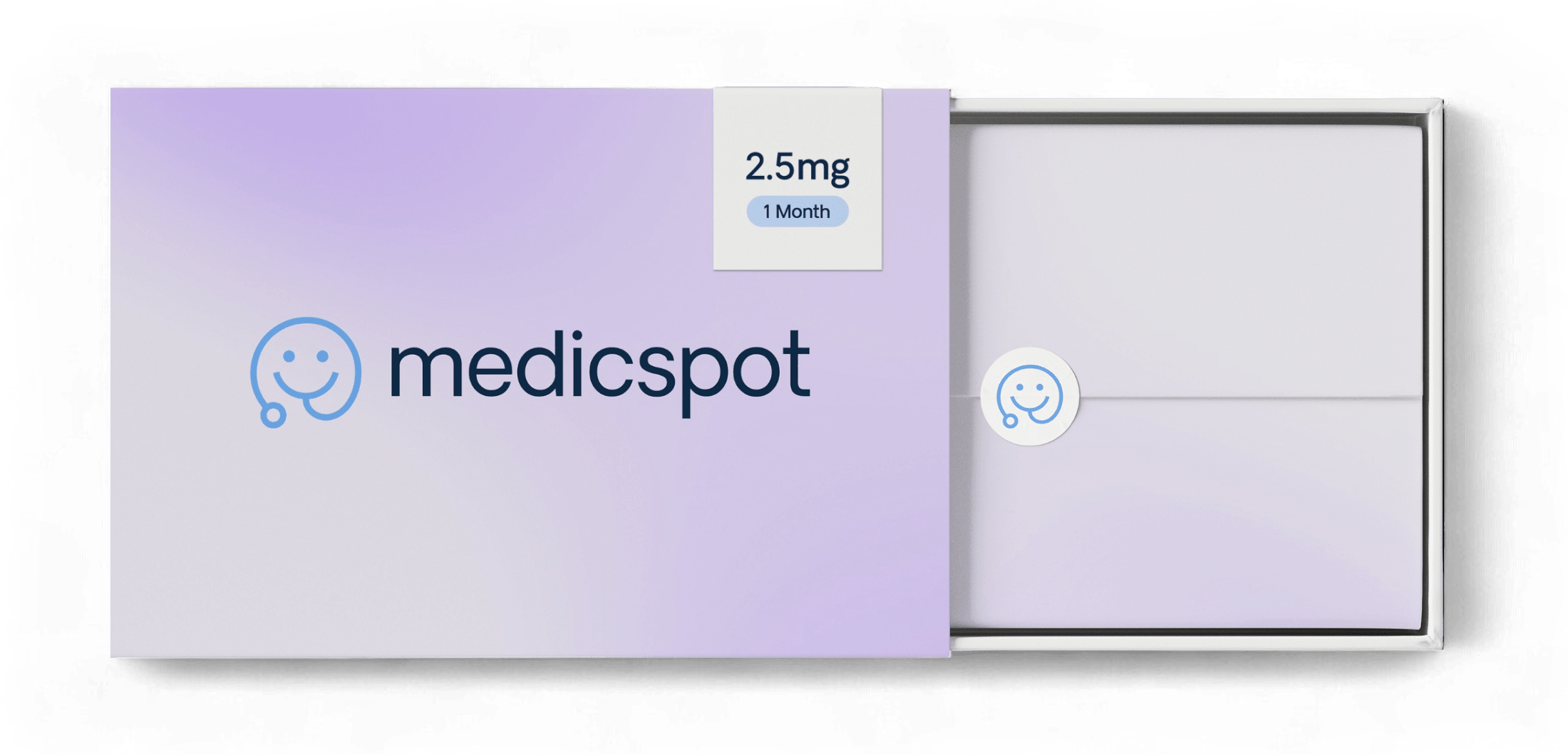
Breakthrough weight loss medication proven to deliver up to 26% weight loss.
Your personal health coach
You and your coach will map out a journey to lasting weight loss.
Proven results
Our members lose an average of 18 pounds in their first 12 weeks.
What to expect
Your journey to lasting weight loss
Today
Today
- Take our simple online assessment to see if you're eligible.
- If eligible, your medication will arrive swiftly at your door.
- Over 84% of our members lose weight in their first month.
1-6 Months
1-6 Months
- Work with your personal health coach to reframe your relationship with food.
- Experience improved energy levels, sleep quality and self confidence.
- Our members lose 2st 3lb on average by the end of month 6.
6-12 Months
6-12 Months
- Lose up to 26% of your body weight.
- Our behaviour change toolkit gives you everything you need to maintain your new healthy lifestyle, no matter what life throws at you.
- You'll receive free coaching for 6 months after reaching your goal, and we'll monitor your progress closely to ensure you maintain your results.
Comparison
How we're different
Edinburgh Weight Loss Clinic offers more than just weight loss medication. We've partnered with Medicspot to offer a science-backed weight loss programme. See how we compare to a typical high street pharmacy.
Testimonials
Real people, real results
See what people on the Medicspot weight loss programme have to say
You will be invited to join our active WhatsApp community filled with people on the same journey as you.
Share your wins, get advice when you're stuck, and find motivation when you need it.
Our health coaches jump in with expert guidance, but often it's hearing from someone who's been there that makes all the difference.
You might have seen Medicspot in


Edinburgh weight loss programmes
We're experts in weight loss
Our Edinburgh weight loss treatment options complement a calorie-reduced, balanced diet and regular exercise to help you lose weight and keep it off.
Pills and tablets
Weight loss pills and tablets that are taken daily to reduce the amount of fat absorbed by your body from the food you eat.
Breakthrough medication
Our weight loss medication is effective at helping you lose weight by making you feel less hungry, so you simply want to eat less.
Gastric balloon
A non-surgical procedure where a balloon is inflated in your tummy. It helps you feel fuller sooner, so you eat smaller portions.
Gastric band
An adjustable and reversible “rubber” band around the top of your tummy can help you feel fuller with only minor surgery.
Gastric sleeve
Removes part of your stomach and makes it thinner, taking less food to “fill your stomach” so you will eat less and lose weight.
All bariatric surgery
There are other surgical options for weight loss. It’s important to weigh up the pros and cons and find the one that is right for you.
Trusted weight loss clinic in Edinburgh
Helping people across Edinburgh lose weight
Edinburgh Weight Loss Clinic is proud to be leading a weight loss revolution in Edinburgh. We specialise in medically supervised weight loss that focuses on sustainable health, not just short-term results.People all across Edinburgh from New Town to Leith are seeing results with our weight management service.
Edinburgh Weight Loss Clinic FAQs
Answered by our experienced medical team.
Medically reviewed
This page was last medically reviewed by Dr Adam Abbs on 8 Jan 2025.
Edinburgh Weight Loss Clinic is committed to providing you with the most objective, trustworthy and accurate health information.
Our content is regularly updated to reflect the latest medical research and guidelines.
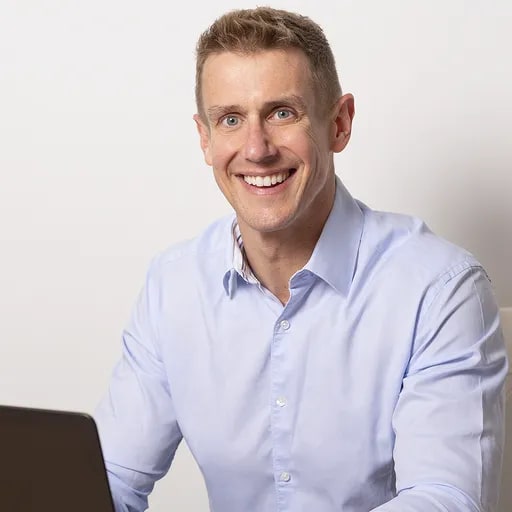
Dr Adam Abbs
MBBS FRCGP PGCCE FHEA
Dr Adam Abbs is an NHS-trained GP with a keen focus on digital health, AI in healthcare, and personalised medicine, including weight loss. He is a leader in creating new ways to provide safe and easy-to-access healthcare through remote care. Dr Abbs is also a skilled medical writer and wrote the RCGP-accredited Remote Consultation Handbook in 2020, and shares his weight loss expertise on the blog Gastric Guru.
GMC Number: 7078829
According to a peer-reviewed study, the treatment helped people with obesity lose 26% of their body weight in 84 weeks.